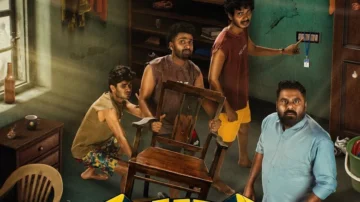
A small-town teenager fixates on directing films, pleading with his father for a video camera in the opening moments, a request that crystallizes both his desperation and the gap between dreaming about cinema and actually making it. Mollywood Times plants itself squarely in that uncomfortable middle ground where aspiration meets reality, asking whether obsession with filmmaking can survive the collision with practical obstacles.
Abhinav Sunder Nayak’s coming-of-age drama arrives as a character study built around cinema obsession, a premise that feels timely in Malayalam cinema’s current landscape. The risk here is immediate: a film about making films demands that the film itself justify its own existence, and early indicators suggest this one swings harder at the idea than the execution.
Naslen Carries the Weight Without Stumbling
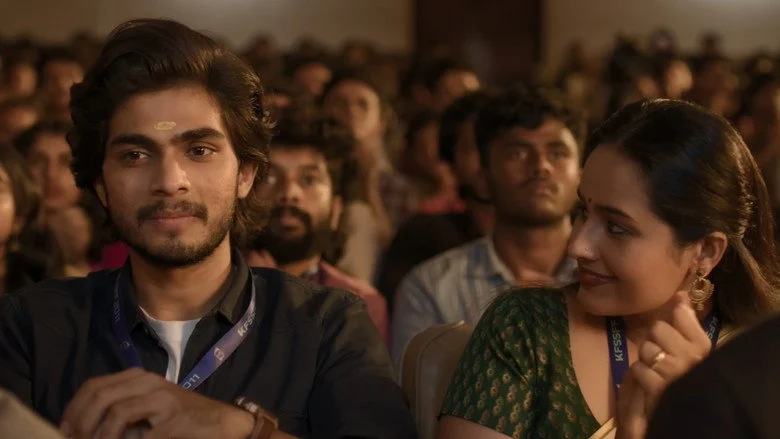
Naslen anchors Mollywood Times as Vineeth Madhavan, the obsessed teenager whose voice drives nearly every frame. The teaser dialogue, “Dad, will you buy me a video camera?” and “I want my first film to be remembered forever”, lands with genuine yearning rather than affectation, a small victory for a young lead tasked with sustaining a 168-minute character study. His performance reads as a genuine attempt to embody the peculiar combination of defiance and vulnerability that defines cinema-struck adolescence.
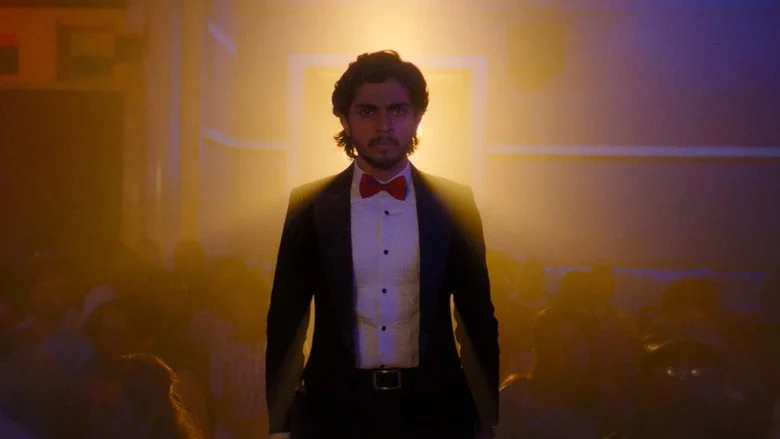
Nayak’s Direction Commits to Premise, Struggles With Pacing
The director constructs his film around a focused, dialogue-driven character framework, a deliberate choice that signals confidence in screenplay and performance over spectacle. Yet committing entirely to an interior coming-of-age narrative in a film this length invites questions about whether the premise sustains 168 minutes, or whether Nayak’s approach occasionally mistakes stillness for depth. The teaser suggests a character-first sensibility; what remains unclear is whether that choice pays dividends across three acts.
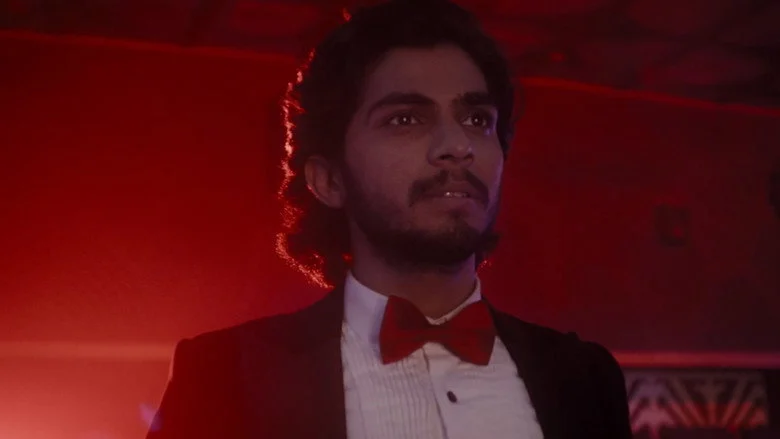
Coming-of-Age Structure Hinges on Art Versus Survival
The central conflict positioning Vineeth against the gap between loving cinema and making a place in it is textually sound. A teenager requesting a camera becomes the visual and thematic anchor, the moment transforms from domestic comedy into philosophical question about whether ambition alone sustains creative identity. The teaser’s horror short-film sequence reinforces this, showing the character moving from fantasy to action.
What matters most in coming-of-age cinema is the specificity of that growth moment, the scene where the protagonist realizes something cannot be unseen. Mollywood Times appears to build toward such recognition through attempts at actual creation, not merely desire. Whether those attempts feel earned or imposed depends entirely on screenplay coherence, territory where available material remains thin.
The film’s gamble rests on whether audiences accept a teenager’s creative struggle as inherently cinematic. Some will; others will demand external conflict to justify the duration. Nayak opts for internal conflict, a choice that demands precision in tonal modulation and emotional escalation across a considerable runtime.
For those seeking Malayalam film analysis and deeper cinematic conversations, Malayalam Primary Coming reviews continue to evolve alongside films like this one.
Supporting Players Defined by Absence Rather Than Presence
Sharafudheen, Sangeeth Prathap, and Althaf Salim occupy the cast list without defined character territories in available material, a notable gap that suggests either ensemble support structured as reactive rather than active, or promotional silence around their roles. The decision to center the film so entirely around Vineeth’s internal journey may intentionally diminish supporting players, a valid artistic choice that nonetheless risks isolation in what could have been a richer ensemble coming-of-age narrative.
Cinema-Obsession as Subject Matter Tests Audience Patience
The film courts a specific audience: viewers oriented toward cinema itself, who find narrative gold in the struggle to create. This positioning carries inherent risk, audiences indifferent to filmmaking mechanics or resistant to meta-narratives will find little purchase here. Mollywood Times doesn’t hedge that bet; it doubles down, framing Vineeth’s journey as worthy of sustained attention precisely because it mirrors the viewer’s own relationship with cinema. That kind of reflexivity either resonates deeply or lands as self-indulgent navel-gazing. There is no neutral ground.
If you’re watching Malayalam cinema for character-driven risk and don’t require a traditional antagonist or clear plot momentum, this positions itself as worth the time. If you need conventional dramatic architecture or action-oriented storytelling, Mollywood Times explicitly asks for more patience than it may deserve. Best experienced in theatrical format, where the film’s commitment to quieter moments might land with appropriate weight.
Mollywood Times is a modest coming-of-age gamble that trusts Naslen’s performance and character obsession to justify its ambition, a worthwhile experiment that occasionally mistakes sincerity for depth, earning a measured **3.5/5** for its willingness to risk commercial appeal for artistic specificity.
Nayak’s dialogue-first approach to teenage aspiration echoes the thematic concerns explored in Ontari E review across Malayalam drama.
Both Mollywood Times and Peddi verdict test whether internal conflict alone can justify commercial runtime without external dramatic scaffolding.

Ankit Jaiswal is the Chief Author, covering Indian cinema and OTT releases with honest, no-filler criticism. An SEO strategist by background, he brings a research-driven approach to film writing, cutting through hype to tell you exactly what's worth your time.