Alpha, a troubled teenager, walks through her front door after school, and the camera catches the fresh ink on her arm before her mother does. The mother’s face drains of color as she whispers her fear: a dirty needle, a lethal bloodborne disease. In one quiet, dread-soaked moment, Julia Ducournau establishes the entire emotional and physical terrain of Alpha, a film that is less about a tattoo and more about what it means when your own body betrays you.
Mélissa Boros: A Body in Revolt
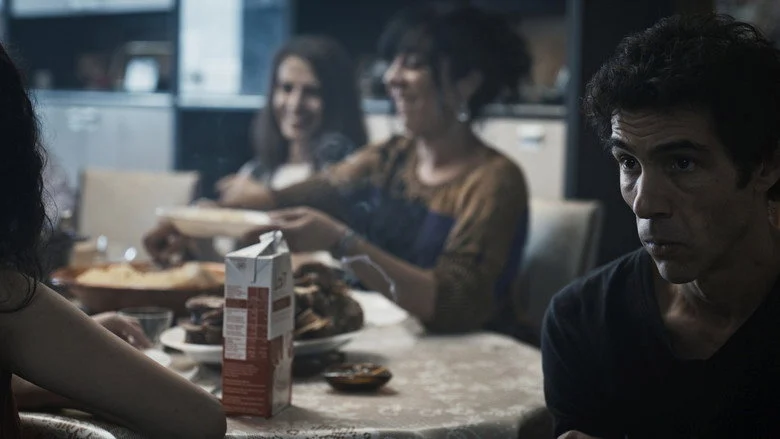
Boros does not perform fear; she inhabits it. Her Alpha starts as a sullen teenager, but when the mutation begins, Boros turns her spine into a question mark and her eyes into wells of confusion. The scene where she examines the spreading ink in her bedroom mirror is the film’s most arresting, she makes the horror feel tactile, not theatrical.
Her physical commitment in Act 2, as the tattoo crawls toward her neck, grounds the body horror in genuine adolescent anguish. Boros never lets the special effects outshine her own expressive instrument.
Direction and Screenplay: Ducournau’s Vision Meets Structural Gaps
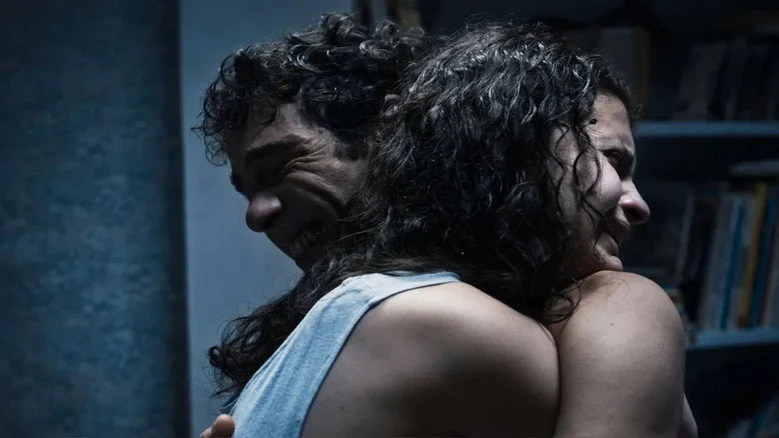
Julia Ducournau knows how to frame the grotesque with empathy. She shoots Alpha’s mutation not as a jump-scare spectacle but as a slow, clinical tragedy, the camera lingers on skin like a concerned doctor’s hand. Where the screenplay falters is the uncle’s introduction, which arrives with the grace of a slammed door. Tahar Rahim’s character is written as a walking plot device, and his sudden appearance yanks the narrative out of its hypnotic rhythm. Ducournau the director earns her stripes; Ducournau the writer needed another draft on that family tree.
The Body as a Battlefield
Ducournau returns to her signature obsession, flesh as a site of crisis, and Alpha delivers mutation sequences that feel researched rather than improvised. The tattoo’s spread is not a CGI blur but a gradual, almost botanical expansion across Boros’ skin. One scene in Act 2, where Alpha’s arm begins to pulse with an independent rhythm, achieves the rare trick of making the viewer queasy and mournful simultaneously.
The body horror here is more explicit than in Raw or Titane, but it earns every grim frame. Ducournau shows the physical toll, lesions, contortions, a spine that seems to remember being boneless, without sensationalizing it. She treats mutation as a medical reality, which makes it terrifying on a level beyond fantasy.
Where the execution wobbles is Act 2’s pacing. The middle section repeats the same beats of discovery and denial, and the tension deflates before the final transformation reels it back in. The ambiguous ending will divide audiences, but as a genre choice, it feels earned, a horror film that refuses to explain away its own monster.
Supporting Cast: Shadows and Anchors
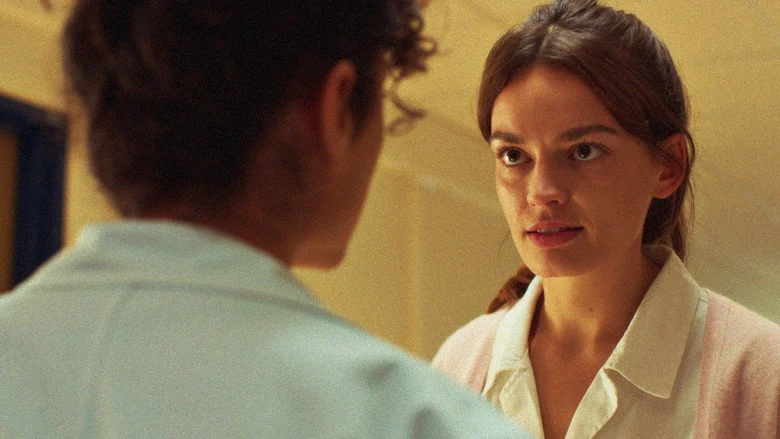
Golshifteh Farahani plays the mother as a woman running on medical logic and maternal instinct. Her best moment comes in a silent scene where she disinfects Alpha’s arm, her hands trembling slightly, Farahani shows us a doctor who knows she is losing control. Emma Mackey, as Alpha’s friend, provides a crucial contrast: the world of normal teenage anxieties. Mackey’s wide-eyed confusion in the school corridor scene underlines how isolated Alpha has become. Tahar Rahim, despite being underserved by the script, injects the uncle with a jittery menace that suggests a backstory the film never bothers to write.
If you are drawn to French-language cinema that dares to push bodily and narrative boundaries, explore our growing collection of FR Drama reviews for more ambitious genre work.
Audience Reception: Praised and Polarized
The IMDb score of 7.4/10 from 12, 500 votes mirrors the critic average of 7.2/10 on Rotten Tomatoes, a rare alignment that suggests the film’s pleasures are accessible but not universal. Audiences praise the emotional core between mother and daughter, and the “intense body horror” is a recurring compliment. The complaints are equally consistent: the uncle’s abrupt arrival, the sagging second act, and an ending that refuses to hold the viewer’s hand. One could argue that the ambiguous finale is exactly the point, Ducournau is not offering catharsis, only aftermath.
The Verdict: Watch, but Brace for the Uneven
Alpha is a film of two distinct halves: a taut, emotionally devastating Act 1 and a slower, more erratic rest. For fans of Ducournau’s earlier work, the body horror here is her most refined, and Boros’ performance deserves to be named in the same conversation as the best physical acting of the decade. If you are new to her cinema, start with Raw before stepping into this bruise. Watch it on a big screen for the sound design alone, Jim Williams’ score is a second skeleton beneath the film’s skin.
Alpha is an achievement in performance and craft, let down by a screenplay that needed one more pass, but it still earns its place in the modern body horror canon, a confident, unsettling 3.5 out of 5.
For a film that shares Ducournau’s interest in emotional risk-taking through fractured family dynamics, read our review of flower she review.
If you appreciate directors who dig into psychological and physical extremity, our take on Angikaaram verdict explores a similar appetite for intense, character-driven storytelling.

Ankit Jaiswal is the Chief Author, covering Indian cinema and OTT releases with honest, no-filler criticism. An SEO strategist by background, he brings a research-driven approach to film writing, cutting through hype to tell you exactly what's worth your time.