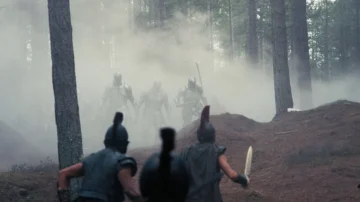
Nineteen years after Shivam Pandit last appeared on screen, the trailer reintroduces him through a haze of gunfire and gritted-teeth vengeance, a figure who has aged into the violence he once tried to escape. The promise of a darker, more confrontational sequel hangs over every frame of Nitin Kakkar’s Awarapan 2, but the shadows that look so good in a two-minute cut will need to hold up across a full runtime.
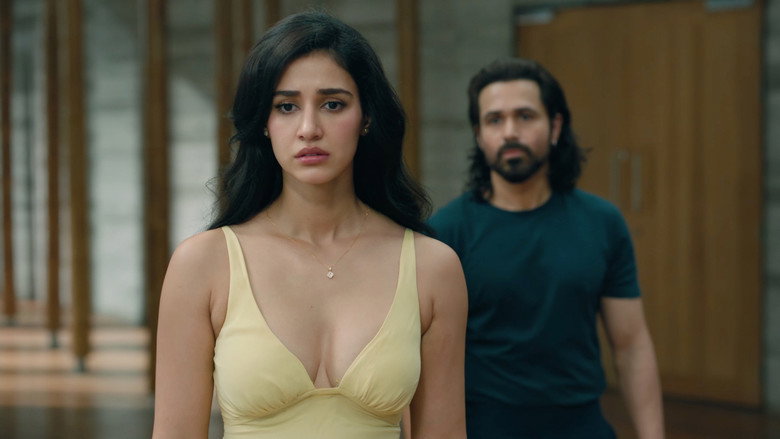
Emraan Hashmi’s Return Carries a Legacy That May Be Too Heavy
Hashmi’s Shivam is the entire gravitational center of this film. The trailer frames his re-entry as a reckoning, a man pulled back into a world of revenge and redemption that he thought he had left behind. His intensity reads clearly even in promotional fragments, and there is a lived-in weariness to his presence that suggests the years between films have been spent badly.
But a legacy sequel lives or dies on what it does with its hero beyond nostalgia. The material here leans heavily on Hashmi’s ability to sell pain through silence, and he appears ready for that weight. Whether the screenplay gives him room to breathe between action beats remains the open question.

Kakkar’s Direction Leans Into the Dark, But the Script Needs More Than Tone
Nitin Kakkar appears to be aiming for a grittier register than the original film’s melodrama, with trailer coverage emphasizing tension and emotional stakes over easy sentiment. The visual palette leans dark, fitting a revenge drama that wants to feel dangerous rather than decorative.
The flaw is structural: the screenplay by Bilal Siddiqui introduces multiple antagonistic figures, Zorawar, Sikandar, Jaideep, Mehmood, Samarth, without establishing a clear hierarchy of threat. A revenge story needs a face to hate, and the trailer’s scattered opposition risks diluting the very conflict it promises to sharpen.
The Action Genre Core Demands Geography, Not Just Gunfire
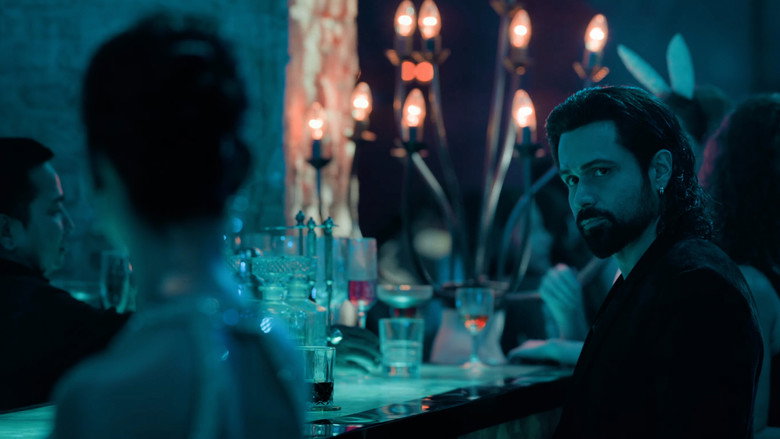
Trailer coverage confirms hand-to-hand violence and gunplay as the film’s primary vocabulary, with Shivam moving through pursuit and confrontation as his default language. The choreography looks functional, but the framing suggests a director more interested in the aftermath of violence than its mechanics. That is a valid choice, provided the emotional consequences land where the stunt work leaves off.
The action beats shown in promotion stress momentum over precision, which suits a character who is less a trained fighter than a man surviving through brute will. The geography of these setpieces, how space is used, where the camera places us relative to the bodies in motion, will determine whether the action feels like drama or filler.
What the trailer cannot reveal is whether these sequences build toward something or simply repeat the same register of aggression. Multiple antagonists suggest a layered conflict design, but layering only works if each confrontation raises the stakes rather than resetting them.
Patani and Azmi Anchor the Emotional Counterweight
Disha Patani’s Zara is positioned as a major presence in Shivam’s journey, offering emotional contrast to the revenge framework. Her casting signals an attempt to give the film a romantic pulse that complicates the hero’s single-minded pursuit, though the trailer gives little indication of how that dynamic plays out beyond surface tension.
Shabana Azmi as Nafisa brings veteran gravitas to the ensemble, her presence suggesting a moral or maternal counterpoint to the violence. The casting of Azmi in a revenge drama is a deliberate signal of intent, this is not a film content to be a simple actioner. Whether her role has the weight her presence implies will be a key test of the screenplay’s seriousness.
The Release Shift and the Sequel Question
The film was initially planned for 3 April 2026 and later moved to 14 August 2026, with reports attributing the delay to unfinished production and post-production timing. Such shifts are common in the industry, but they raise questions about confidence in the final cut.
The comparison to the 2007 original and Once Upon a Time in Mumbaai is inevitable, and this sequel’s marketing leans into the darker register those films perfected. For fans of Hashmi, the return alone is the draw; for everyone else, the question is whether this continuation justifies its existence beyond commercial calculation.
I would argue that the film’s fate rests entirely on how it handles its third act, where revenge stories either find their thematic payoff or collapse into noise. The trailer promises a reckoning, but promises are cheap; execution is everything.
For more from this world of brooding heroes and violent reckonings, browse our Hindi Action reviews.
If the trailer’s promise holds, Hashmi’s controlled fury could give this sequel genuine energy despite weak payoffs elsewhere. The film needs his restraint to be matched by the screenplay’s discipline, and that is a fragile balance. Go in for Hashmi’s return and the craft of his performance; stay only if the writing proves worthy of him.
Awarapan 2 is a sequel that banks entirely on Emraan Hashmi’s presence and a darker tone, but without verified critical consensus, it earns a cautious 2.5 out of 5 based on promotional evidence alone.
Fans of brooding anti-heroes may also find resonance in Vishwanath Sons review, which similarly relies on a lead’s controlled intensity.
For those who prefer their revenge dramas with sharper narrative focus, Picture verdict offers a more contained take on the genre.

Ankit Jaiswal is the Chief Author, covering Indian cinema and OTT releases with honest, no-filler criticism. An SEO strategist by background, he brings a research-driven approach to film writing, cutting through hype to tell you exactly what's worth your time.