An auto driver’s casual recognition triggers a avalanche of unresolved violence and emotional wreckage in Sukesh Shetty’s Peter, where a man returns to his misty Coorg hometown only to find that isolation cannot outrun the ghosts of two devastating betrayals. The film splits its narrative between a charismatic past, where Peter commanded respect and friendship, and a fractured present where he survives as a stranger, alcoholic parents deteriorating around him and revenge seekers closing in from the shadows.
Peter arrives with technical ambition and thematic weight, but struggles to justify either to an audience that stayed away. The film’s reliance on non-linear storytelling and emotional archaeology feels deliberate, even necessary, yet the execution leaves the character stranded between timelines without the anchor that might make audiences care about his survival. At just under two and a half hours, Peter asks for patience in a market that rarely rewards measured pacing when the payoff remains elusive.
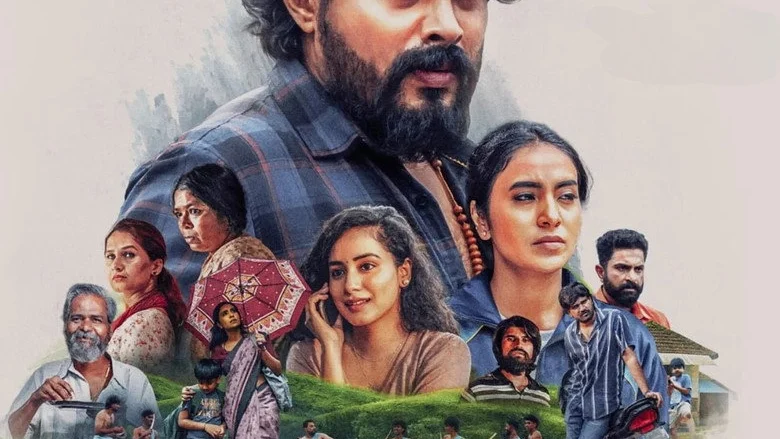
Raajesh Dhruva’s Dual Burden Across Two Peters
Raajesh Dhruva carries the film’s central conceit, a man fractured by time, but the performance exists in two registers that never fully reconcile. The charismatic village leader of the past appears confident and connected; the present-day Peter emerges hollow, corroded by alcohol and isolation, barely recognizable to those who once knew him.
What remains unclear is whether Dhruva’s restraint in the present timeline serves the character or distances the viewer. The performance demands sympathy for a man deliberately opaque about his crimes and betrayals, and that moral ambiguity, while potentially rich, may have alienated rather than engaged the core audience.
Shetty’s Non-Linear Ambition Outpaces Narrative Clarity
Director Sukesh Shetty constructs Peter around a promising formal gambit: the collision of past and present versions of the protagonist, separated by trauma. The structural confidence shows, particularly in the setup where Madikeri’s misty green landscapes become both beautiful refuge and inescapable trap for a man returning to face old violence.
Yet narrative clarity fractures under the weight of that ambition. The screenplay’s non-linear approach, meant to mirror Peter’s fragmented psychology, instead creates distance between viewer and character, we understand his isolation intellectually without feeling its specific gravity. For a drama trading in buried secrets and emotional wounds, the film remains frustratingly opaque about why those secrets matter beyond the protagonist.
Drama as Tragedy, Executed Through Landscape and Silence
Peter plants itself in the haunting beauty of Coorg and Bhagamandala, using those misty green locations not as backdrop but as character. The 2.39:1 scope cinematography emphasizes isolation, wide frames that dwarf a solitary figure moving through lush valleys, reinforcing psychological distance through spatial geography. This is drama as visual poetry, where what remains unsaid carries more weight than explanation.
The past-present structure theoretically allows the film to explore how trauma reshapes identity and relationships. Each timeline shows Peter in collision with people from his former life, yet those confrontations lack the specific emotional temperature needed to make betrayal sting or redemption matter. The auto driver who recognizes him in the opening, a beautifully economical moment, signals reputation without revealing its foundation.
Measured pacing becomes a liability when emotional turns fail to land. Editor Naveen Shetty Hattiangadi maintains consistency across the non-linear flow, but consistency is not the same as momentum. A drama requires either clarity of purpose or overwhelming emotional precision to absorb two hours of psychological circling, and Peter delivers neither consistently enough to sustain engagement across its entire runtime.
Raviksha Shetty and Ram Nadagoud in Narrow Emotional Windows
Raviksha Shetty and Ram Nadagoud occupy roles defined by their relationships to Peter’s crimes rather than their own agency, limiting what they can build across the narrative. Shetty appears caught between romantic history and present wariness; Nadagoud carries the weight of friendship fractured by betrayal, yet neither actor receives scenes that allow genuine complication.
Janvi Rayala navigates similar constraints, her character anchored to Peter’s past as charismatic partner in his village authority rather than as a fully realized presence. For a film built around buried secrets and emotional wounds, the supporting cast remains largely peripheral to the central trauma.
Commercial Collapse as Audience Verdict
Peter collected ₹0.13 crores across India, netting just ₹0.11 crores after six days, figures that speak less to scandal or controversy than to simple, decisive rejection. In a market saturated with Kannada dramas, the film’s ambitious structure and dark thematic material failed to convince audiences that the emotional labor demanded justified the narrative opacity delivered. The film’s refusal to explain Peter’s crimes or morality clearly may have read as artistic restraint to its makers; it registered as withholding to viewers who abandoned it.
That commercial failure mirrors a structural problem: Peter demands psychological engagement with a character who remains unknowable by design, and in cinema, unknowable can swiftly become unwatchable. The film works harder to complicate than clarify, to withhold than to illuminate, a valid artistic choice, but a commercial and emotional miscalculation in this case.
Peter is built for a very specific cinephile audience willing to sit with prolonged moral ambiguity and fragmented narrative structure without the emotional payoff that might justify such formal risk. If you’re attuned to slow-burn psychological drama and patient non-linear storytelling, the film’s misty Coorg setting and dual-timeline exploration of trauma offer modest rewards. For most viewers, the journey toward Peter’s broken present arrives at a destination that remains too vague, too withholding, too emotionally distant to warrant the investment of time required.
Kannada cinema offers richer trauma narratives and clearer moral geometry than what Sukesh Shetty manages here; Kannada Drama reviews to find films that balance emotional ambition with narrative engagement.
Sai Tej’s measured performance in Thimmarajupalli TV similarly grapples with restrained character work, though that film finds Thimmarajupalli TV review more successful at building momentum through stillness.
Peter arrives as an ambitious but emotionally distant trauma drama that audiences rejected decisively, technically sound yet dramatically hollow, it earns a fair 2 out of 5 for narrative ambition betrayed by tonal distance.
Both Peter and Raakaasa struggle with Raakaasa verdict, though each film’s opacity stems from different structural choices.

Ankit Jaiswal is the Chief Author, covering Indian cinema and OTT releases with honest, no-filler criticism. An SEO strategist by background, he brings a research-driven approach to film writing, cutting through hype to tell you exactly what's worth your time.