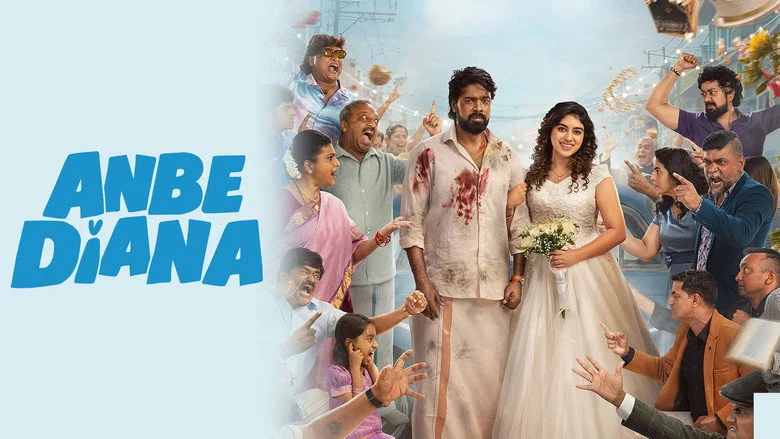
In the narrow lanes of Perambur, a Telugu athlete coach named Chirumamilla Sita Krishna, CSK to his friends, spots Magic, an Anglo-Indian IT professional, and the predictable machinery of cross-community romance grinds into motion. The film that follows is a breezy, optimistic Tamil romantic comedy that knows exactly what it is: a familiar tale of love versus caste prejudice, wrapped in a feel-good tone that rarely threatens to surprise you.
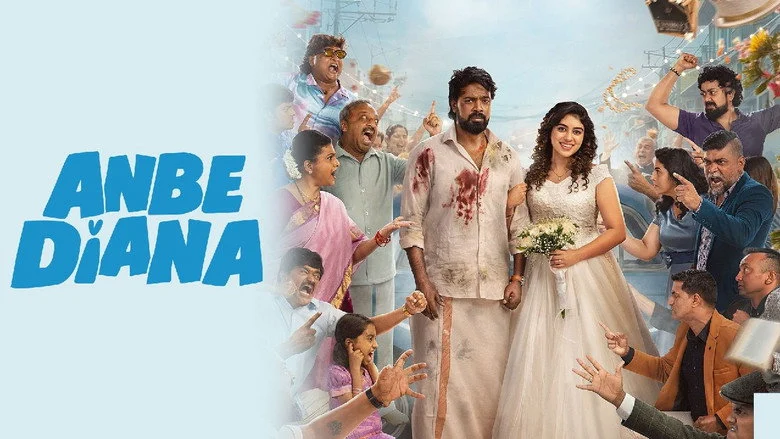
Pari Elavazhagan’s Dual Role: Charm That Never Quite Confronts Conflict
Pari Elavazhagan, pulling double duty as director and lead, plays CSK with a happy-go-lucky energy that suits the romance-heavy passages. His strongest moments arrive when the script demands casual banter rather than confrontation, letting his natural charm carry scenes that would otherwise collapse under their own predictability.
But when the film shifts toward emotional resistance against his mother’s objections, Elavazhagan’s performance lacks the weight the drama requires. The shift from lighthearted suitor to conflicted son feels more like a costume change than an internal evolution.
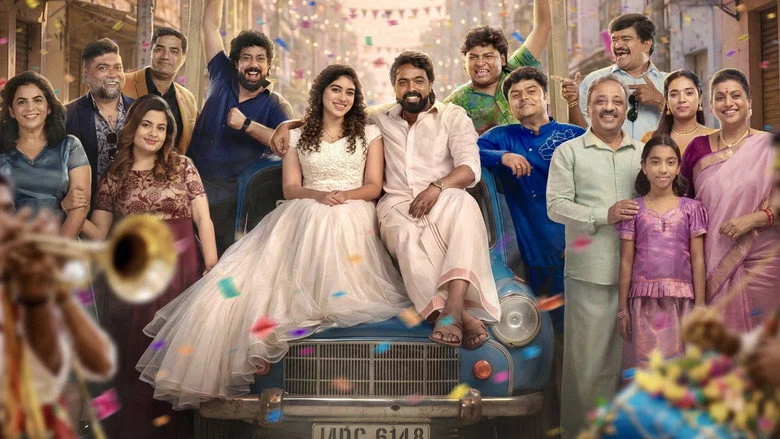
Ramya Ranganathan’s Magic: A Character Trapped Between Stereotypes
Ramya Ranganathan enters the film as Magic, a character initially resistant to romance, a guarded entry point that gives her performance room to breathe. The role demands balancing devout Christian identity, professional ambition, and reluctant romantic interest, and Ranganathan manages this trio with credible composure.
The problem lies in the writing around her. The church-and-family contrast in her setup leans heavily on stereotype, reducing a potentially layered character to a set of recognizable signifiers. Times of India defended this approach, noting that “a stereotype, used well, is a shortcut to something true.” I’m not entirely convinced the shortcut leads anywhere particularly revealing here.
Rom-Com Execution: Where The Film Works And Where It Stumbles
The early romance setup between CSK and Magic demonstrates the film’s clean structural instincts. Elavazhagan establishes the relationship quickly, using familiar beats to keep the romance legible and easy to track. The comedy softens the seriousness of the caste conflict, ensuring the tone never turns melodramatic.
This approach keeps the film accessible, but it also exposes the director’s reluctance to push beyond comfort zones. Every development in the middle stretch is telegraphed well in advance, and the narrative does nothing to hide its scaffolding. The emotional effect comes entirely from social friction rather than narrative complexity, which limits how deeply the story can resonate.
The family resistance scenes function as the film’s dramatic engine, with Roja Selvamani anchoring the caste-conscious opposition as CSK’s mother. Her presence gives the conflict a human face, but the writing around her relies on familiar stereotypes of the prejudiced parent, effective as a shortcut, limited as genuine drama. The New Indian Express called it “familiar romance with fairytale-like optimism, ” which captures both the film’s appeal and its ceiling.
Supporting Cast: Roja Selvamani Anchors The Opposition
Roja Selvamani delivers the film’s most consequential supporting performance as CSK’s mother, representing the family’s resistance with an authority that makes the central conflict tangible. Her scenes carry the dramatic weight that the lead pair’s romance cannot generate on its own, and she makes the prejudice feel personal rather than abstract.
Chetan and Gopi fill out the broader social environment, contributing to the comic texture of the family and community spaces. Ismath Banu rounds out the supporting roster, though none of these roles receive enough specific characterization to leave a distinct impression beyond their functional purpose.
Selvamani’s casting signals the film’s intent to ground its conflict in recognizable domestic reality. Without her anchoring presence, the family opposition would risk becoming a cartoonish obstacle rather than the credible social force the screenplay needs.
Audience Reception And Box Office: Modest Numbers, Average Verdict
The film opened with an India net of ₹0.30 crore, as reported by Cinema Express, and accumulated ₹2.39 crore domestically in its first week according to Filmibeat. These modest figures align with a verdict of “Average” from trade observers, suggesting the film found its audience without breaking through to wider commercial success.
The audience response mirrors the critical consensus. Rediff’s “Breezy Romcom, Decent Watch” captures the general sentiment, viewers appreciate the film’s optimism and light tone, but complaints center on predictability and uneven pacing in the middle sections. This is a film that works best for those seeking a soft, undemanding relationship drama rather than fresh storytelling.
If you’re in the mood for a straightforward Tamil romance that wears its heart on its sleeve, this delivers competently. Just don’t expect the caste conflict at its center to offer anything you haven’t seen before.
For more like this, browse our Tamil Drama reviews.
Anbe Diana is a perfectly serviceable weekend watch for fans of light romantic dramas, nothing more, nothing less. The film earns a modest 2.5 out of 5 for its honest intentions and likable lead pair, even if its writing never rises above the familiar.
If you appreciated the social-conflict romance structure here, you might find Fickle review an interesting comparison in how lead performances can carry uneven narratives.
For a different take on familiar genre territory, Angam Attahasam verdict shows how style can sometimes compensate for predictable plotting.

Ankit Jaiswal is the Chief Author, covering Indian cinema and OTT releases with honest, no-filler criticism. An SEO strategist by background, he brings a research-driven approach to film writing, cutting through hype to tell you exactly what's worth your time.