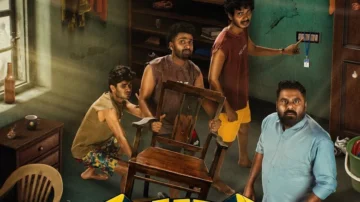
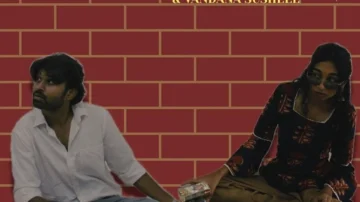
The couple slips out of the house on their wedding night, and within minutes, the entire village is hunting for them like they’ve committed a crime. What follows is a chain of lies, reversals, and escalating embarrassment that turns a private moment into a public spectacle, and that’s exactly where Raja Karuppasamy’s comedy finds its pulse.
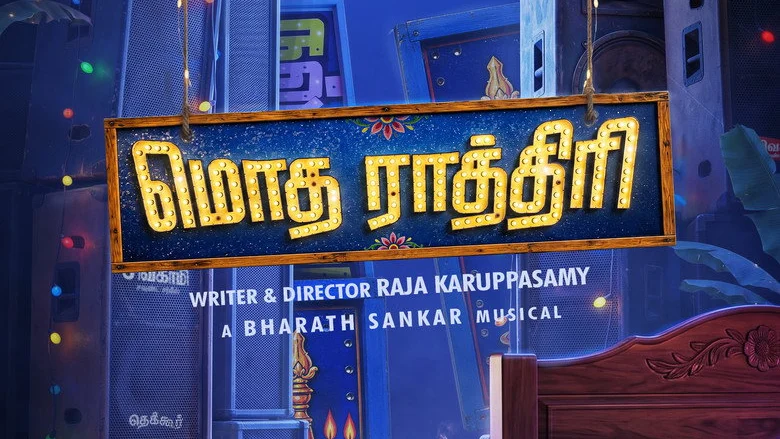
Rishikanth Anchors the Madness with a Quiet, Reactive Presence
Rishikanth’s Maruthanayagam is the still eye of a very loud storm. He carries the arranged-marriage setup with a restrained central presence, letting the chaos swirl around him rather than competing with it.
His best moments come when he’s simply responding to the mounting village pressure, the bewilderment in his reactions sells the absurdity better than any exaggerated performance could. It’s a smart choice for a farce that could easily tip into noise.
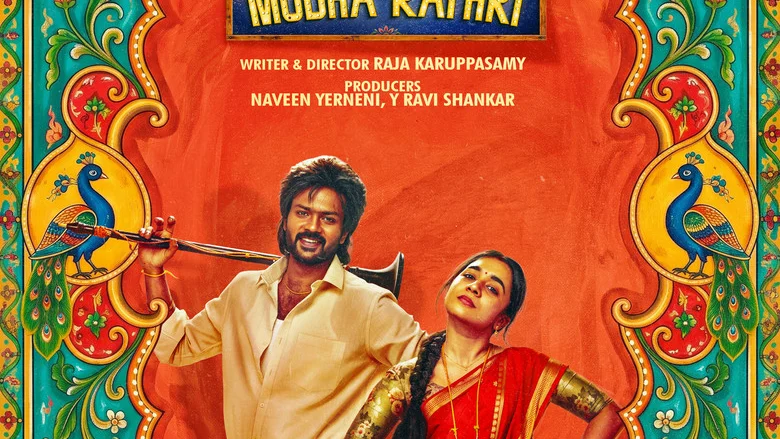
Karuppasamy’s Single-Night Structure Is Tight, But the Farce Mechanics Feel Familiar
Director Raja Karuppasamy keeps the story locked to one eventful night, and that discipline pays off. The rural framework organizes the confusion cleanly, and the writing keeps the comedy and mystery beats connected without letting either collapse.
The flaw is predictability. The plot leans on familiar farce mechanics, repeated misunderstanding beats, a village-wide search, and detours that stretch the material thinner than it needs to be. One major review called it a “predictable village farce with enough funny detours, ” which lands close to the mark.

The Comedy Engine Runs on Escalation, Not Gags
Karuppasamy structures the humour through one-night escalation rather than standalone jokes. The wedding-night escape triggers the entire chain, and every lie adds a new layer of complication that the characters must dig themselves out of. The crash-course sequence on wedding-night rules, teased in the trailer, sets up comic expectations that the film largely delivers on.
The mystery layer is the smartest addition, it delays resolution and extends the comic tension just when the farce risks running dry. Misunderstandings function as the plot’s engine, and the rural setting magnifies the social embarrassment at every turn.
That said, the tonal balance wobbles. The comedy and mystery don’t always sit comfortably together, and the predictable village-farce stretch around the search sequences is where the film loses momentum. It’s competent craft, but it rarely surprises.
The Ensemble Supplies the Rhythm the Lead Deliberately Withholds
Bagavathi Perumal adds genuine comic texture as Saravanan, positioning himself as one of the key disruptors in the village chain. Chetan’s Poosari ties the wedding-night guidance to the social pressure, giving the explanatory scenes a grounded anchor.
Abdool Lee and A. Venkatesh round out the multi-character pacing that drives the farce forward. Shelly Kishore and Sangeetha Balan broaden the domestic stakes, ensuring the family-side reactions carry weight beyond the central couple.
A U/A Certificate and a Familiar But Accessible Pitch
The film earned a U/A certificate from the Censor Board, which fits the material, it’s family-oriented in tone but deals with wedding-night subject matter that requires a slight age gate. The audience profile is clear: families and mass audiences will find the premise easy to follow, while viewers hunting for structural novelty will feel the formula’s weight.
Compared to recent Tamil comedies like Good Bad Ugly and Dude, Modha Rathri is more tightly centered on its single-night premise and localized rural structure. But it’s also less fresh in its farce mechanics, the same misunderstanding pattern repeats, and the predictability is the trade-off for accessibility.
For more from this space, browse our Tamil Romance reviews.
The Verdict: A Watch for Farce Fans, a Skip for the Structure-Weary
Modha Rathri knows exactly what it is, a wedding-night comedy built on escalating lies and village interference, and it executes that premise with consummate writing and a dependable ensemble. It won’t convert anyone who dislikes farce-driven humour, but for those who enjoy the genre’s mechanics, the funny detours are worth the predictable stretches. Catch it in a regular theatrical screening where the crowd reactions amplify the comic timing.
That said, the predictability is the ceiling, this is a film that entertains without ever elevating its formula. Modha Rathri earns a serviceable 2.5 out of 5 for its writing discipline and Rishikanth’s steady anchor, but it’s a watch for genre loyalists rather than a must-see.
For a gentler romance built on familiar ground, check out Bethlehem Kudumba review.
If village drama with a protective lead is more your speed, Irumudi verdict delivers that register with sharper stakes.

Ankit Jaiswal is the Chief Author, covering Indian cinema and OTT releases with honest, no-filler criticism. An SEO strategist by background, he brings a research-driven approach to film writing, cutting through hype to tell you exactly what's worth your time.