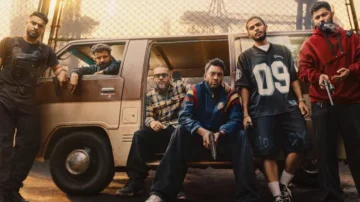
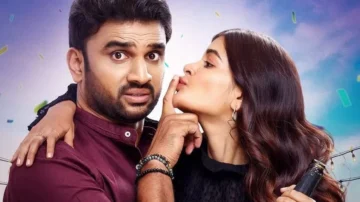
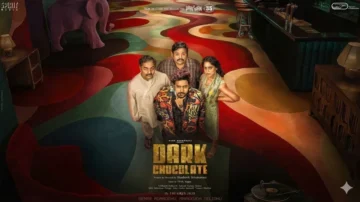
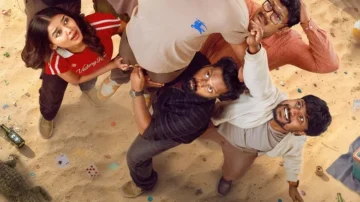
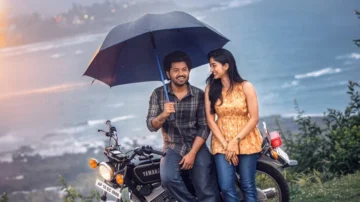
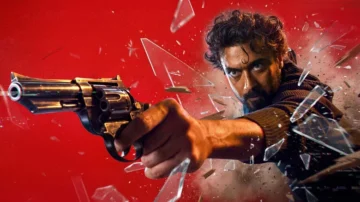
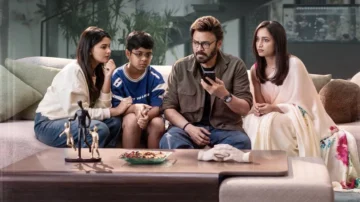
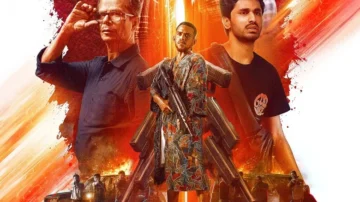
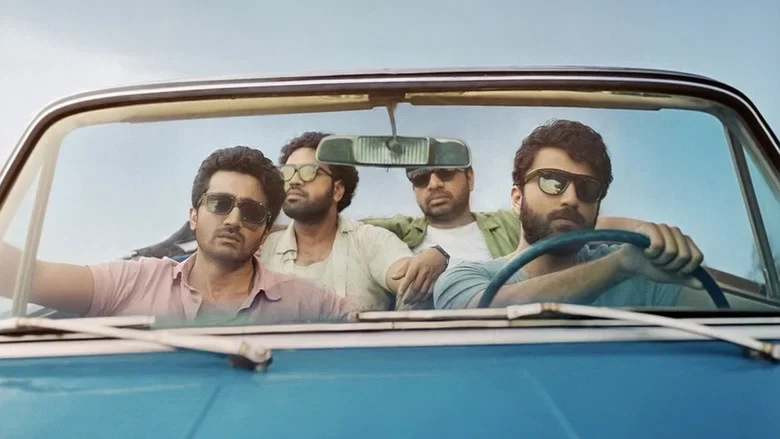
The four friends are back in the same room, and the first thing you notice is how much older the silence feels. Tharun Bhascker Dhaassyam has reassembled the Ee Nagaraniki Emaindhi ensemble for a second round of Goa-adjacent chaos, but the comedy this time arrives with a hangover.
A Reunion That Refuses To Be A Victory Lap
The premise is deceptively simple: Vivek and his old crew drift back together years after the earlier misadventure, carrying unfinished business in place of a villain. What Bhascker and co-writer Shanthan Raj construct is less a sequel than a reckoning staged as a buddy comedy.
There is no antagonist in the listing, and that absence is the film’s most interesting structural gamble. The pressure comes entirely from within the group, ambitions that no longer align, relationships that curdled quietly, and the specific cruelty of picking up a friendship exactly where the resentment started.
Where that gamble pays off is in the reunion itself, staged as a slow thaw rather than an instant comic detonation. The old rhythm returns in fragments, and every joke lands with a slight delay, as if the characters are testing whether they are still allowed to be this funny with each other.
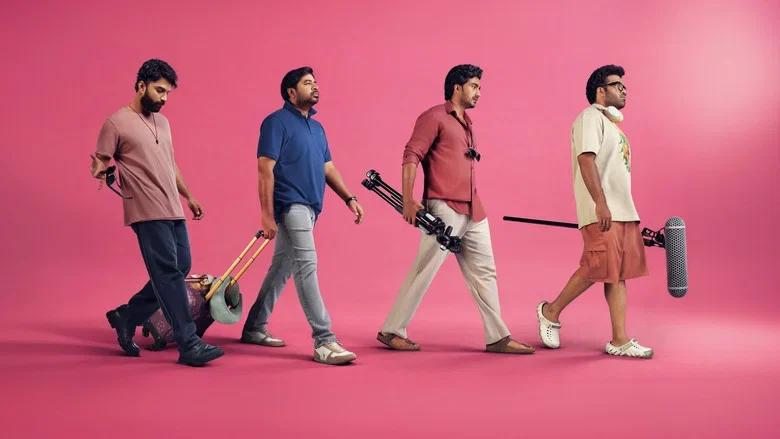
Vishwak Sen Plays The Anchor Who Cannot Hold
Vishwak Sen’s Vivek is the film’s load-bearing wall, and the performance works precisely because he underplays the leadership. He listens more than he speaks in the early reunion passages, his jaw tightening at jokes he used to lead, and that restraint gives the ensemble something to push against.
It is a marked shift from the coiled, volatile energy he carried through #Cult, where his charisma was weaponised against the frame. Here he deliberately steps back, letting the group’s collective timing do the work while his face registers every small betrayal of old intimacy.
Abhinav Gomatam’s Kaushik remains the comic engine, and there is a moment in the middle stretch where he delivers a punchline, gets no laugh from his friends, and simply holds the empty beat. That half-second of dead air is the film’s sharpest piece of acting, and nobody in the marketing will mention it.
The Chaos Is Contractual, And The Film Knows It
The spontaneous-plans machinery kicks in on schedule, and here the screenplay shows its seams. Escalation arrives because the genre demands it rather than because these specific men would plausibly make these specific choices, and the episodic structure starts to feel like a series of set pieces held together by nostalgia.
The tonal control that distinguished Bachelor Party D'eux from its peers is only intermittently present here, particularly in a second half that mistakes volume for momentum. Bhascker’s dialogue still crackles, but the staging around it grows slack, and the film begins to trust its own warmth more than its own jokes.
What rescues the middle stretch is the relationship writing. The romantic complications involving Anisha Ambrose’s Shirley and Shivathmika Rajashekar’s Keerthana are treated as genuine emotional weather rather than plot obstacles, and the film is better for refusing to resolve them cleanly.
A Runtime That Tests The Patience It Earns
At somewhere between two and a half and nearly three hours depending on which listing you trust, the film’s pacing becomes its own antagonist. The first half earns its length through patient re-establishment of the group dynamic; the second half spends that credit on situations that repeat their emotional function.
The visual grammar stays deliberately unshowy, medium shots that keep all four men in frame, natural light that refuses to romanticise the reunion, and a camera that sits still during arguments rather than cutting around them. It is disciplined work that occasionally mistakes stillness for depth.
What the film shares with Maya lady is a willingness to let discomfort sit in the frame longer than the genre usually permits. Where that film let the discomfort metastasise, this one keeps reaching for the hug, and the reach itself becomes the most honest thing on screen.
S Originals And Rootnode Cinema Bet On Nostalgia As IP
The commercial arithmetic here is unusually naked: S Originals and Rootnode Cinema are not selling a new story, they are selling the return of a specific friendship unit that a specific audience already loves.
That is a defensible bet in a market where original Telugu comedy has struggled to open, but it is also a bet that caps the film’s ceiling.
Vishwak Sen’s theatrical leverage is real but uneven, and this role asks him to be a supporting anchor rather than a solo draw. The franchise lifecycle question is whether this reunion model can sustain a third chapter, or whether the audience’s affection for the first film is a one-time asset being liquidated here.
What the film signals, more broadly, is a maturation in how contemporary Telugu comedies treat their own nostalgia, less as a wink, more as a debt to be paid. Whether that debt clears at the box office is a question the opening weekend will answer, not the screenplay.
The Hug That Arrives Too Late To Fix Anything
The resolution refuses the easy absolution the premise invites. These men do not repair what broke between them; they simply agree to stop pretending it did not break, and the film ends on that uncomfortable truce rather than a catharsis.
It is a braver ending than the marketing suggests, and it leaves the franchise in an honest place: four friends who have aged into strangers and decided, for now, to keep showing up anyway. The comedy was always the excuse. The film finally admits it.

Ankit Jaiswal is the Chief Author, covering Indian cinema and OTT releases with honest, no-filler criticism. An SEO strategist by background, he brings a research-driven approach to film writing, cutting through hype to tell you exactly what's worth your time.